Where to Buy Organic Fertilisers for Farmland Online
Organic farming begins with healthy soil. Whether you grow grains, vegetables, fruits, fodder crops, or pasture, the right organic fertiliser can improve soil structure, feed beneficial microbes, and provide crops with slow-release nutrients. But when buying organic fertilisers online, farmers need to choose carefully. Not every product labelled “natural” or “organic” is suitable for certified organic farming.
Why Buy Organic Fertilisers Online?
Buying organic fertilisers online gives farmers access to a wider range of products than many local stores carry. You can compare nutrient content, check certifications, read product labels, and order bulk quantities directly from suppliers. This is especially useful for farmland, where small garden-sized packs are usually not enough.
Online purchasing is also convenient for farmers looking for specific inputs such as composted manure, bone meal, fish meal, kelp meal, rock phosphate, gypsum, humic acid, or blended organic NPK fertilisers.
What to Check Before Buying
Before placing an order, check whether the product is suitable for your crop, soil type, and certification needs. In the United States, organic crop standards require soil fertility to be managed through practices such as crop rotation, cover crops, tillage, and allowed plant, animal, or mineral-based inputs. USDA rules also prohibit sewage sludge, genetic engineering, and most synthetic substances unless specifically allowed on the National List.
For certified organic farms, look for products that are OMRI Listed, approved by your certifier, or clearly documented as compliant with your country’s organic standards. OMRI provides a searchable database and product lists for materials allowed in organic production, including crop fertilisers and soil amendments.
Best Places to Buy Organic Fertilisers Online
1. Manufacturer Websites
Many organic fertiliser brands sell directly through their own websites. Buying from the manufacturer can be useful when you need product labels, nutrient analysis, safety data sheets, or bulk pricing.
Examples include companies like Espoma, which produces organic fertilisers and soil amendments, and Farm Fuel, which sells OMRI-registered soil amendments and offers online ordering for smaller farm quantities, with quote requests for larger volumes.
2. Agricultural Wholesale Suppliers
For farmland, wholesale suppliers are often better than retail garden stores because they can handle pallet, tote, or truckload orders. Some suppliers focus specifically on natural fertilisers, minerals, and soil amendments for agricultural use. For example, Bridgewell Agriculture describes itself as a wholesale supplier of natural fertilisers, minerals, and soil amendments, including OMRI Listed products sold in pallet and truckload quantities.
This option is ideal for medium and large farms that need consistent supply and better pricing per acre.
3. Organic Input Marketplaces and Directories
Instead of searching random websites, farmers can use organic input directories first. OMRI’s online search lets users filter by product class, such as Crop Fertilizers and Soil Amendments, and by status, such as allowed, allowed with restrictions, or prohibited.
Once you identify approved products, you can visit the manufacturer’s website or contact distributors to buy online.
4. Farm Supply Retailers
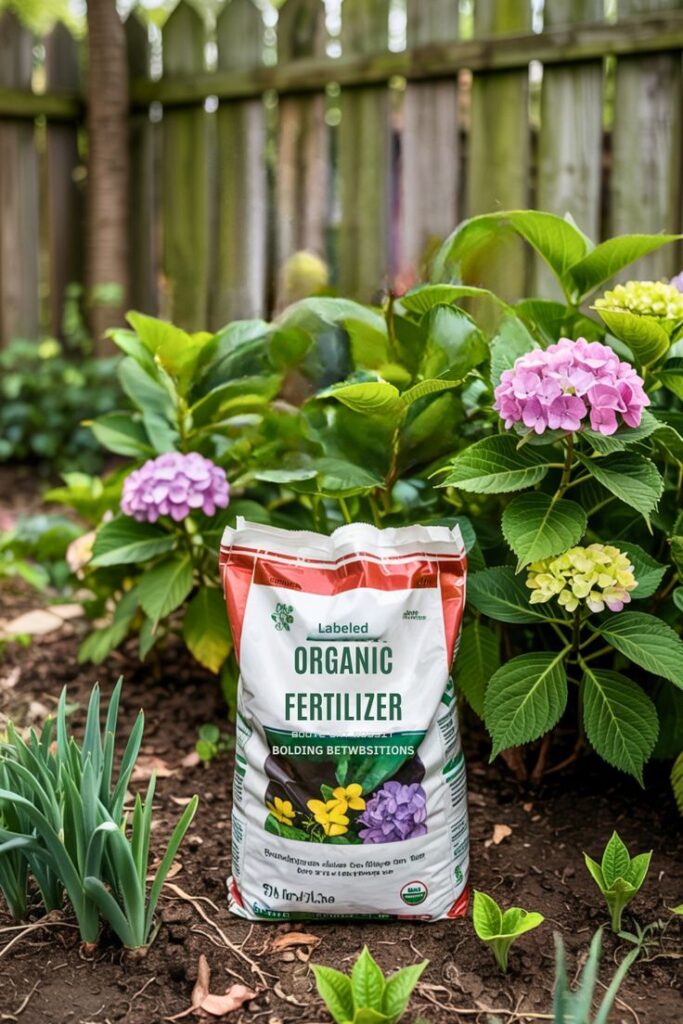
Large farm supply and garden retailers often sell organic fertilisers online. These are good for smaller acreage, trial applications, vegetable plots, orchards, nurseries, and specialty crops. However, always check the product size and shipping cost. A 25 kg or 50 lb bag may be practical, but many small retail packs are too expensive for broad-acre farmland.
5. Local Compost and Manure Suppliers With Online Ordering
For soil-building, compost, composted manure, and vermicompost can be more valuable than concentrated fertiliser alone. Many regional compost producers now accept online orders and deliver by bulk bag, trailer load, or truckload. This option reduces shipping cost because compost is heavy and expensive to transport over long distances.
Before buying, ask for a recent lab test showing nutrient content, pH, salt levels, moisture percentage, and possible contaminants.
Types of Organic Fertilisers to Buy Online
Common online options include:
Compost and composted manure for improving organic matter and soil structure.
Bone meal and rock phosphate for phosphorus and root development.
Blood meal, feather meal, soybean meal, and alfalfa meal for nitrogen.
Kelp meal and seaweed extracts for micronutrients and plant stress support.
Fish meal or fish emulsion for nitrogen, phosphorus, and trace nutrients.
Gypsum, lime, sulfur, and mineral amendments for soil correction based on test results.
Rodale Institute emphasizes that healthy soil contains active biological life and that organic systems can increase soil organic matter and soil health over time.
Tips for Buying in Bulk
For farmland, always calculate cost per acre, not just cost per bag. Compare the nutrient analysis, application rate, delivery cost, and release speed. A cheaper fertiliser may cost more overall if the nutrient concentration is low or shipping is expensive.
Ask suppliers these questions before ordering:
What is the NPK analysis?
Is the product OMRI Listed or approved for certified organic farming?
Is there a recent lab test?
What is the recommended application rate per acre?
Is the material pelletised, powdered, liquid, or composted?
Can it be spread with standard farm equipment?
Do you offer pallet, tote, or truckload pricing?
Final Thoughts
The best place to buy organic fertilisers online depends on your farm size. Small farms may do well with manufacturer websites and farm supply retailers. Larger farms should look for wholesale agricultural suppliers, bulk compost producers, and OMRI-listed product directories.
Before buying, start with a soil test, match the fertiliser to your crop needs, and confirm that the product is allowed under your organic certification rules. Good organic fertilisation is not just about feeding the crop; it is about building living, productive soil for many seasons to come.