
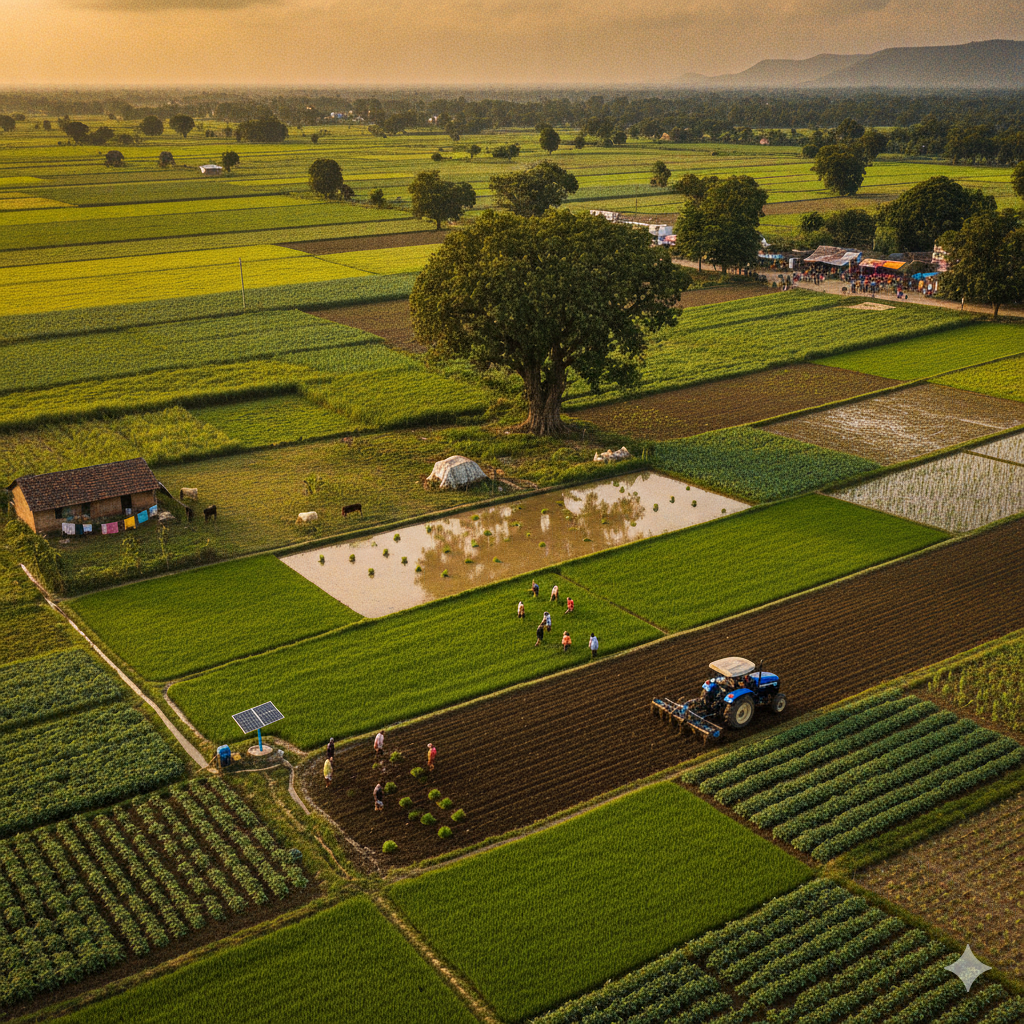
Is Farmland a Good Investment in India? A Complete Guide for Investors
Introduction
Investing in farmland has become increasingly popular in India over the past few years. With rising land prices, growing food demand, and increasing interest in sustainable investments, many individuals are considering agricultural land as a long-term wealth-building option.
However, farmland investment is not as simple as buying property in a city. It involves legal rules, agricultural knowledge, maintenance considerations, and long-term planning. While it can offer strong returns in certain cases, it also carries risks that investors must understand clearly.
This blog explores whether farmland is a good investment in India, including its benefits, risks, legal aspects, return potential, and key factors to consider before investing.
What Is Farmland Investment?
Farmland investment refers to purchasing agricultural land with the intention of earning returns through:
- Crop cultivation (direct farming or leasing)
- Land appreciation over time
- Agro-based businesses
- Plantation farming (in suitable regions)
In India, farmland is typically used for growing crops such as rice, wheat, sugarcane, cotton, vegetables, fruits, and plantation crops like tea and coffee.
Why Farmland Is Attracting Investors in India
Several factors are driving interest in farmland investment:
1. Rising Population and Food Demand
India’s growing population increases the demand for agricultural products, supporting long-term farmland value.
2. Limited Agricultural Land Supply
Agricultural land is finite, and urban expansion is reducing available farmland, increasing its scarcity.
3. Inflation Hedge
Farmland is often seen as a hedge against inflation because land values and agricultural output tend to rise over time.
4. Lifestyle and Wellness Trend
Many investors are interested in organic farming, farmhouses, and sustainable living projects.
Benefits of Investing in Farmland in India
1. Long-Term Capital Appreciation
Farmland in India has shown steady appreciation, especially near expanding cities, highways, and industrial corridors.
Over time, land value can increase significantly depending on location and infrastructure development.
2. Regular Income Potential
Farmland can generate income through:
- Crop cultivation
- Leasing to farmers
- Agro-business activities
Lease-based farming is especially attractive for passive income seekers.
3. Low Maintenance (if leased)
If farmland is leased to experienced farmers, investors do not need to manage daily agricultural operations.
4. Tangible Asset Ownership
Unlike stocks or digital investments, farmland is a physical asset that provides long-term security.
5. Tax Benefits (in certain cases)
Agricultural income in India is often exempt from income tax under specific conditions, making it attractive for investors.
Risks of Farmland Investment
Despite its advantages, farmland investment carries several risks.
1. Legal Restrictions
In many Indian states, non-farmers are restricted from purchasing agricultural land. Rules vary widely by state.
2. Illiquidity
Farmland is not easy to sell quickly compared to stocks or urban real estate.
3. Climate and Weather Risks
Agriculture depends heavily on rainfall and weather conditions, which can affect income.
4. Management Challenges
If you plan to farm directly, it requires:
- Agricultural knowledge
- Labor management
- Equipment investment
5. Land Disputes
In some regions, unclear land titles or legal disputes can create serious risks.
Legal Aspects of Buying Farmland in India
Agricultural land laws differ across Indian states.
General Rules:
- Some states allow only “farmers” to buy agricultural land.
- Others allow non-farmers with restrictions.
- Conversion of farmland to residential or commercial use requires government approval.
Important Checks Before Buying:
- Clear land title
- Ownership history
- Land classification (agricultural vs. non-agricultural)
- Encumbrance certificate
- Local zoning regulations
It is highly recommended to consult a legal expert before purchasing farmland.
Return on Investment (ROI) from Farmland
Returns from farmland investment come from two main sources:
1. Land Value Appreciation
In high-growth areas, farmland prices can increase significantly over time, especially near:
- Urban expansion zones
- Industrial corridors
- Highway developments
2. Agricultural Income
Income depends on:
- Type of crop
- Soil quality
- Water availability
- Farming method
Typical returns vary widely, but well-managed farmland can generate moderate to strong long-term gains.
Best Locations for Farmland Investment in India
Farmland value varies significantly by region.
High-potential areas often include:
- Maharashtra (Pune, Nashik outskirts)
- Karnataka (Bangalore rural regions)
- Tamil Nadu (Coimbatore outskirts)
- Telangana (Hyderabad peri-urban zones)
- Haryana (Gurgaon and surrounding regions)
- Uttar Pradesh (Noida and expressway regions)
Locations near cities or infrastructure projects generally offer higher appreciation potential.
Who Should Invest in Farmland?
Farmland investment is suitable for:
- Long-term investors (10–20 year horizon)
- High-net-worth individuals
- Agriculture enthusiasts
- Investors seeking asset diversification
- People interested in eco-living or farmhouses
It may not be suitable for:
- Short-term investors
- People seeking quick liquidity
- Individuals without legal or agricultural guidance
Farmland vs Other Investments
Farmland vs Stock Market
- Stocks: High liquidity, high volatility
- Farmland: Low liquidity, stable long-term growth
Farmland vs Urban Real Estate
- Urban property: Faster appreciation, higher competition
- Farmland: Lower entry cost, slower but steady growth
Farmland vs Gold
- Gold: Safe but non-productive asset
- Farmland: Productive asset with income potential
Future of Farmland Investment in India
The future of farmland investment in India looks promising due to:
- Rising food demand
- Government focus on agriculture
- Growth of agritech startups
- Organic farming trends
- Export-oriented agriculture
Technologies such as precision farming, drip irrigation, drones, and AI-based crop monitoring are improving productivity and increasing the value of farmland.
Additionally, sustainable farming and carbon credit systems may create new income opportunities for landowners.
Tips Before Investing in Farmland
- Verify legal ownership and land records
- Check water availability and soil quality
- Understand state-specific land laws
- Prefer locations near infrastructure development
- Consider leasing options if you don’t want to farm
- Work with agricultural and legal experts
Frequently Asked Questions (FAQs)
Is farmland a good investment in India?
Yes, farmland can be a good long-term investment if purchased in the right location with proper legal checks and clear investment goals.
Can non-farmers buy farmland in India?
It depends on the state. Some states allow it with restrictions, while others require the buyer to be a farmer.
Does farmland generate income?
Yes, income can be earned through farming, leasing, or agricultural business activities.
Is farmland better than real estate?
Farmland is better for long-term appreciation and stability, while real estate offers faster liquidity and development opportunities.
What is the biggest risk in farmland investment?
Legal issues, unclear land titles, and lack of liquidity are the biggest risks.
Conclusion
Farmland can be a strong investment in India when approached with careful planning and long-term vision. It offers benefits such as land appreciation, income potential, inflation protection, and asset security. However, it also comes with risks related to legal regulations, climate dependency, and liquidity.
For investors who are patient, informed, and willing to conduct proper due diligence, farmland can be a valuable addition to a diversified investment portfolio. As India continues to grow and urbanize, well-located agricultural land is likely to become even more valuable in the future