
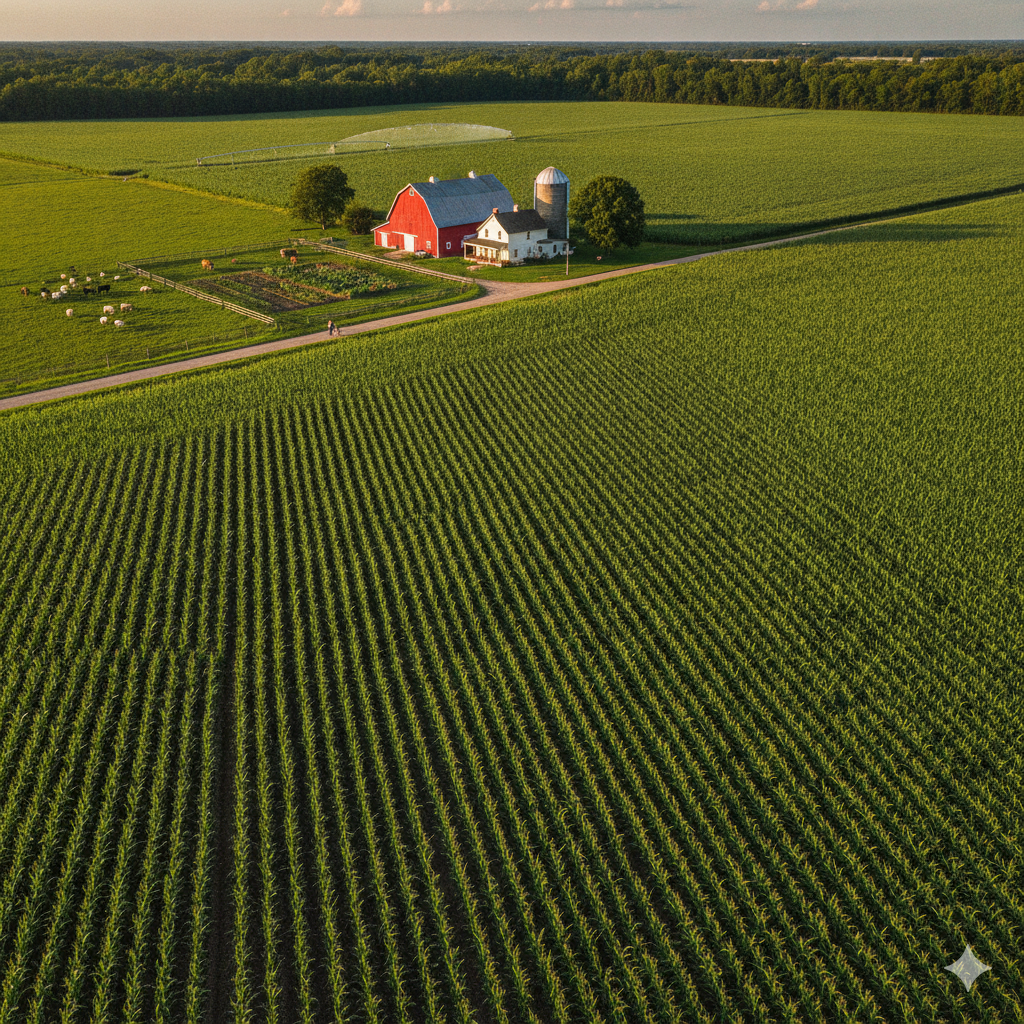
What Is Called Fallow Land? Meaning, Types, Importance, and Uses Explained
Introduction
In agriculture, not all land is cultivated all the time. Some land is intentionally left unused for a certain period to restore its fertility and improve future crop production. This type of land is known as fallow land.
Farmers across the world use the concept of fallow land as a natural way to maintain soil health and increase long-term agricultural productivity. Although it may look like “unused” land, fallow land actually plays an important role in sustainable farming systems.
In this blog, we will understand what fallow land means, why it is used, its types, benefits, and importance in modern agriculture.
What Is Fallow Land?
Fallow land is agricultural land that is left uncultivated for a certain period of time to restore its fertility and nutrients.
In simple terms:
Fallow land is farmland that is temporarily not used for growing crops so the soil can recover.
It is not abandoned land. Instead, it is part of a planned agricultural practice.
Why Is Land Left Fallow?
Farmers leave land fallow for several important reasons:
1. Restoring Soil Fertility
Continuous farming reduces soil nutrients. Leaving land fallow allows:
- Natural nutrient regeneration
- Microbial activity improvement
- Organic matter recovery
2. Breaking Pest and Disease Cycles
Many pests and crop diseases survive in soil. Fallow periods help:
- Reduce pest populations
- Break disease cycles
- Improve future crop health
3. Moisture Conservation
In dry regions, fallow land helps retain moisture for future planting seasons.
4. Improving Soil Structure
Rest periods allow soil to:
- Regain aeration
- Improve water retention
- Reduce compaction
Types of Fallow Land
Fallow land can be classified based on how long it is left uncultivated.
1. Current Fallow Land
This refers to land left uncultivated for one agricultural season or less.
- Usually short-term
- Common in crop rotation systems
- Helps manage seasonal farming cycles
2. Long-Term Fallow Land
This is land left uncultivated for more than one year.
- Used when soil is severely degraded
- May require natural regeneration
- Sometimes used for grazing or recovery
3. Rotational Fallow Land
In this system, farmers rotate between cultivated and uncultivated land.
- One portion is farmed
- Another portion is left fallow
- Helps maintain soil balance
4. Green Fallow Land
Instead of leaving land completely unused, farmers grow cover crops like:
- Legumes
- Grass
- Green manure crops
These plants are later plowed into the soil to improve fertility.
Importance of Fallow Land
Fallow land plays a crucial role in sustainable agriculture.
1. Improves Soil Fertility
The biggest benefit of fallow land is soil recovery. It allows natural replenishment of nutrients without chemical intervention.
2. Increases Future Crop Yield
Rested soil produces:
- Healthier crops
- Higher yields
- Better resistance to disease
3. Reduces Dependency on Fertilizers
Fallow periods reduce the need for chemical fertilizers, making farming more sustainable and cost-effective.
4. Enhances Biodiversity
Fallow land supports:
- Soil organisms
- Earthworms
- Beneficial insects
- Small wildlife habitats
5. Helps in Water Conservation
Soil in fallow land retains more moisture, which benefits future crops during dry seasons.
Fallow Land in Traditional Agriculture
Fallowing is one of the oldest farming practices in human history. Traditional farmers used it because:
- They had limited access to fertilizers
- Soil naturally needed recovery time
- Crop rotation was essential for survival farming
Even today, many rural farming systems still use fallow practices.
Fallow Land in Modern Agriculture
Modern agriculture has changed the way fallow land is used.
1. Reduced Fallow Periods
With chemical fertilizers and advanced farming methods, farmers now leave land fallow less frequently.
2. Scientific Crop Rotation
Instead of leaving land completely idle, farmers grow:
- Legumes to fix nitrogen
- Cover crops for soil protection
3. Precision Farming
Technology helps determine:
- Soil health
- Nutrient levels
- Optimal fallow duration
This makes fallow management more efficient.
Advantages of Fallow Land
- Restores soil nutrients naturally
- Improves long-term productivity
- Reduces pest infestation
- Enhances soil moisture retention
- Supports sustainable farming practices
Disadvantages of Fallow Land
Despite its benefits, fallow land also has some drawbacks:
1. Temporary Loss of Income
Farmers do not earn from fallow land during the resting period.
2. Land Underutilization
Productive land remains unused for a period of time.
3. Weed Growth
If not managed properly, fallow land may be invaded by weeds.
Difference Between Fallow Land and Barren Land
Feature | Fallow Land | Barren Land |
Usage | Temporarily unused for farming | Not suitable for farming |
Fertility | Can recover | Very low or no fertility |
Purpose | Soil restoration | No agricultural purpose |
Productivity | Can become productive again | Usually unproductive |
Importance in Sustainable Agriculture
Fallow land is a key part of sustainable farming because it:
- Maintains soil health naturally
- Reduces environmental damage
- Supports long-term food security
- Encourages eco-friendly agriculture practices
In modern regenerative agriculture systems, fallow periods are carefully planned rather than random.
Frequently Asked Questions (FAQs)
What is called fallow land in agriculture?
Fallow land is agricultural land left uncultivated temporarily to restore soil fertility.
Is fallow land fertile?
Yes, fallow land often regains fertility over time through natural processes.
Why do farmers leave land fallow?
Farmers leave land fallow to improve soil health, conserve moisture, and break pest cycles.
Is fallow land useful?
Yes, it is very useful for sustainable farming and improving future crop yields.
Conclusion
Fallow land is an important agricultural practice where land is temporarily left uncultivated to restore its natural fertility. Although it may appear unused, it plays a vital role in maintaining soil health, increasing productivity, and supporting sustainable agriculture.
In both traditional and modern farming systems, fallow land remains a valuable tool for ensuring long-term agricultural success and environmental balance.
Understanding fallow land helps farmers and investors appreciate that sometimes, resting the land is just as important as farming it.