
What Is the Range of Land? Meaning, Types, Measurement, and Uses Explained
Introduction
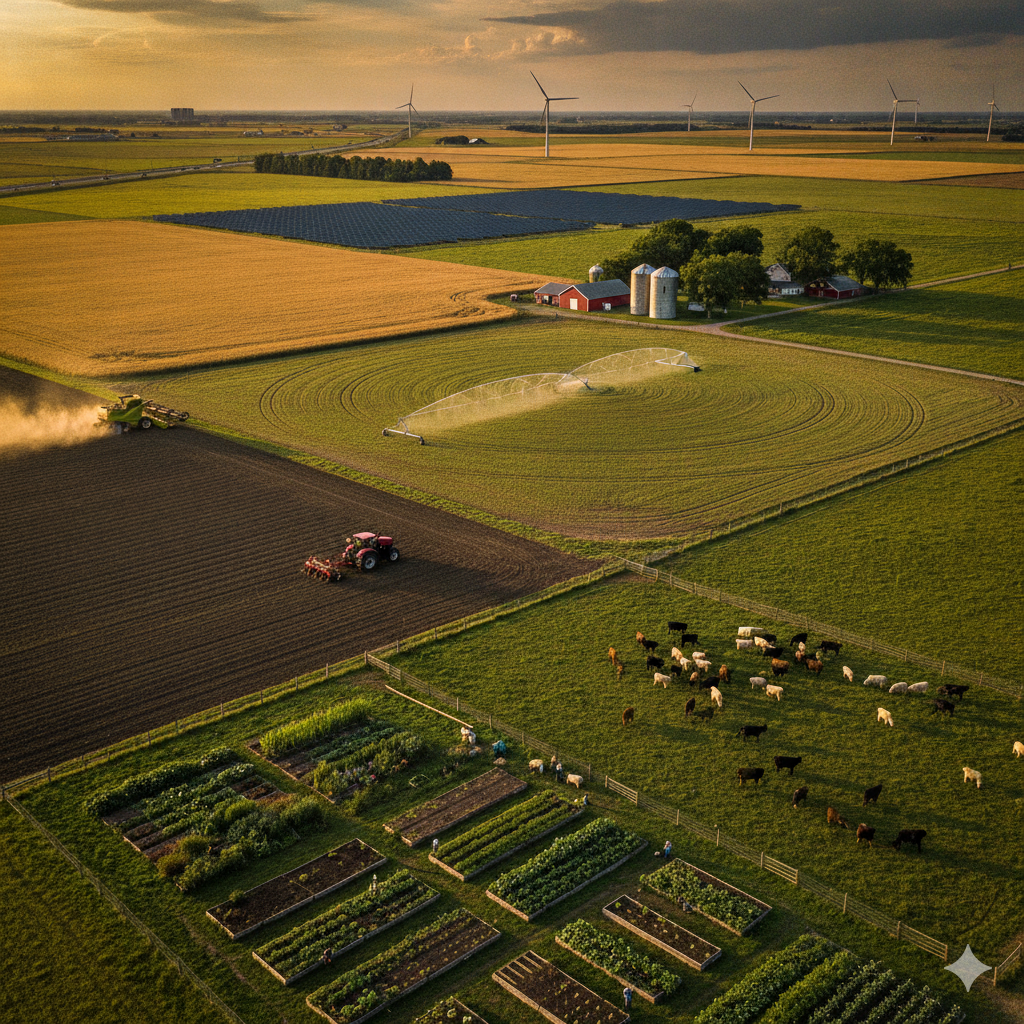
Land is one of the most important natural resources on Earth. It supports agriculture, housing, industries, infrastructure, forests, and biodiversity. When people ask “What is the range of land?”, they are usually referring to the different types, classifications, and extent of land use or land size categories.
The concept of land range can also mean the variation in land area, land types, and land usage patterns across a region or country.
In this blog, we will explain the meaning of land range in simple terms, its types, measurement units, and its importance in agriculture, real estate, and geography.
What Is the Range of Land?
The range of land refers to the different categories, sizes, and uses of land available in a region. It describes how land is distributed based on:
- Size (small to large land areas)
- Usage (agriculture, forest, residential, industrial)
- Geography (plains, mountains, deserts, coastal areas)
- Ownership and purpose
In simple terms:
The range of land means the variety and extent of land types and sizes found in a specific area.
Understanding Land Range in Simple Words
Land range can be understood in two main ways:
1. Range by Size
This refers to how land is measured and classified:
- Small plots (house plots, gardens)
- Medium agricultural lands
- Large estates or commercial farms
2. Range by Usage
This refers to how land is used:
- Agricultural land
- Forest land
- Residential land
- Industrial land
- Commercial land
Types of Land Based on Range of Use
1. Agricultural Land
This land is used for farming activities such as:
- Crop cultivation
- Livestock grazing
- Plantation farming
It forms one of the largest land-use categories in many countries.
2. Forest Land
Forest land includes areas covered with trees and vegetation.
It is used for:
- Biodiversity conservation
- Timber production
- Environmental protection
3. Residential Land
Residential land is used for housing purposes.
It includes:
- Individual homes
- Apartments
- Housing societies
4. Commercial Land
Commercial land is used for business activities such as:
- Shops
- Offices
- Markets
- Shopping malls
5. Industrial Land
Industrial land is used for manufacturing and production.
Examples include:
- Factories
- Warehouses
- Industrial parks
6. Barren Land
This land is not suitable for cultivation or construction due to:
- Poor soil quality
- Rocky terrain
- Desert conditions
7. Wetland and Water Bodies
This includes:
- Rivers
- Lakes
- Ponds
- Marshlands
These areas support ecosystems and water resources.
Range of Land by Size (Measurement Units)
Land is measured using different units depending on the country.
Common Units of Land Measurement:
- Acre
- Hectare
- Square meter
- Square foot
- Bigha (regional unit in India)
- Guntha (used in some Indian states)
Example of Land Range by Size
Category | Size Range | Example |
Small land | 1–5 acres | House farms, gardens |
Medium land | 5–50 acres | Small farms, estates |
Large land | 50–500 acres | Commercial farms |
Very large land | 500+ acres | Corporate agriculture |
Range of Land in Agriculture
In agriculture, land range is important for determining:
- Type of crops grown
- Farming method used
- Investment required
- Productivity levels
Small Farms
- Family-owned
- Subsistence farming
- Limited machinery use
Large Farms
- Commercial farming
- Mechanized agriculture
- Export-oriented production
Range of Land in Geography
Geographically, land range includes different natural formations:
1. Mountains
High elevation areas with steep slopes.
2. Plains
Flat and fertile areas suitable for agriculture.
3. Plateaus
Elevated flat regions rich in minerals.
4. Deserts
Dry regions with very low rainfall.
5. Coastal Areas
Regions near oceans and seas.
Importance of Understanding Land Range
Understanding land range is important for many reasons:
1. Agriculture Planning
Helps farmers choose suitable crops and methods.
2. Real Estate Development
Assists in land valuation and construction planning.
3. Government Policy
Used for land distribution, zoning, and development planning.
4. Environmental Management
Helps protect forests, wetlands, and ecosystems.
Land Range in India
India has one of the most diverse land ranges in the world.
It includes:
- Himalayan mountains
- Indo-Gangetic plains
- Deccan plateau
- Thar desert
- Coastal regions
- Dense forests
This diversity makes India suitable for agriculture, industry, and biodiversity conservation.
Challenges in Land Management
Managing land range comes with several challenges:
Urban Expansion
Cities expand into agricultural land.
Soil Degradation
Overuse reduces land productivity.
Water Scarcity
Affects agricultural land use.
Land Fragmentation
Small land divisions reduce efficiency.
Future of Land Use and Range
The future of land management will focus on:
- Smart land mapping
- Sustainable agriculture
- Urban planning
- Climate-resilient land use
- Digital land records
Technology will play a key role in managing land efficiently.
Frequently Asked Questions (FAQs)
What is meant by land range?
Land range refers to the variety, size, and usage of different types of land in a region.
What are the main types of land?
The main types include agricultural, forest, residential, industrial, commercial, and barren land.
Why is land range important?
It helps in planning agriculture, development, and environmental conservation.
How is land measured?
Land is measured in units like acres, hectares, square meters, and local units like bigha.
Conclusion
The range of land refers to the diversity in land types, sizes, and uses across different regions. From small residential plots to large agricultural estates and natural forests, land plays a vital role in human life and development.
Understanding land range helps in better planning, sustainable development, and efficient use of natural resources. As populations grow and urbanization increases, managing the range of land wisely will be essential for the future.