
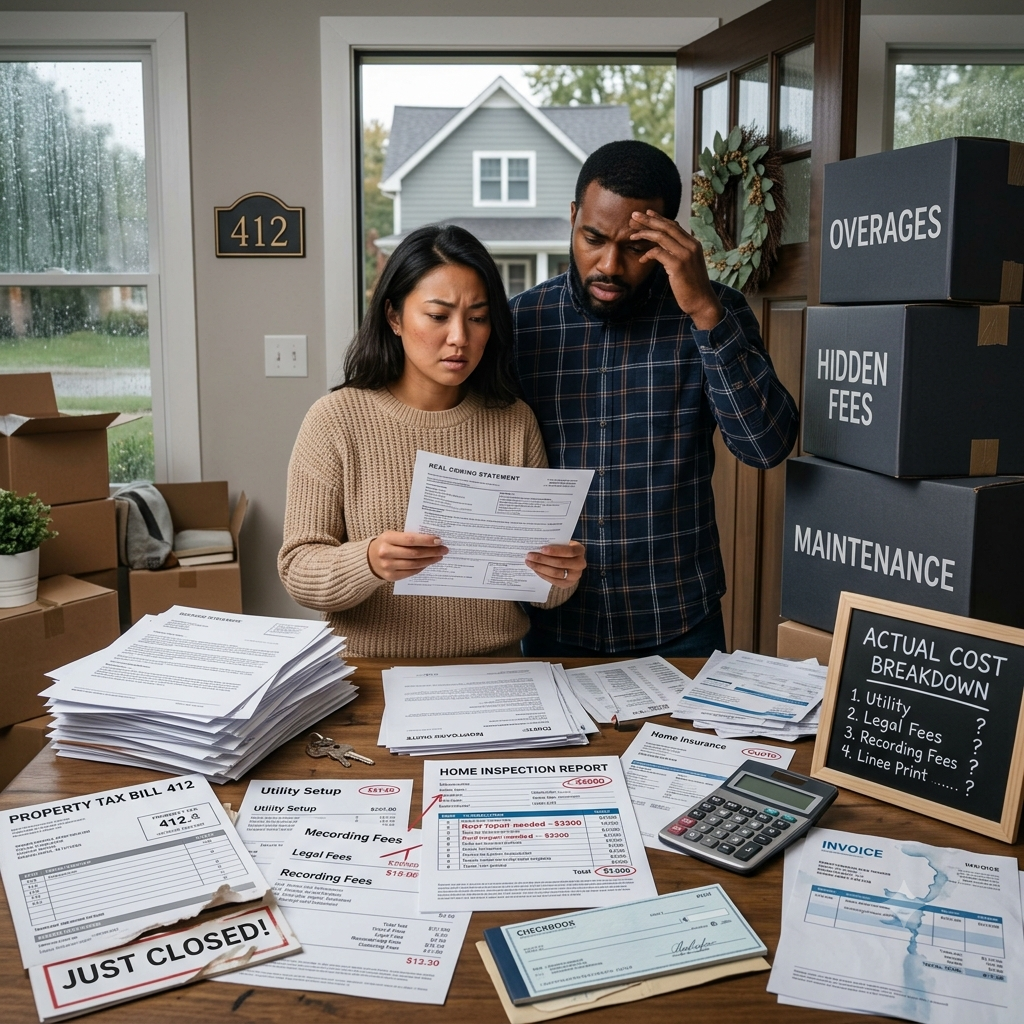
Is 2026 a Good Time to Buy a House?
The short answer is: it depends on your personal finances, local market conditions, and long-term plans—not just the year.
There is no universal “perfect year” to buy a home. In 2026, the housing market continues to be shaped by elevated interest rates compared to the early 2020s, uneven home price growth across regions, and limited inventory in many areas. That creates both challenges and opportunities depending on where and how you buy.
This guide breaks down whether 2026 is a good time to buy a house from every angle so you can make a confident decision.
The Real Question: “Is It the Right Time for YOU?”
Instead of asking “Is 2026 a good time to buy?”, a better question is:
“Am I financially and personally ready to buy in 2026?”
Because even in a “perfect” market, buying at the wrong time financially can still hurt you—and even in a “bad” market, buying at the right time for your life can be a smart move.
1. The 2026 Housing Market Overview
In 2026, the U.S. housing market is best described as:
- Moderately high interest rates compared to historic lows
- Uneven home price growth (some cities cooling, others still expensive)
- Tight inventory in many desirable locations
- Increased buyer sensitivity to monthly payments
This means buyers are more focused on affordability and monthly cost than just purchase price.
2. Interest Rates: The Biggest Factor in 2026
Mortgage rates remain one of the most important drivers of affordability.
Even small changes matter:
- A 1% rate increase can reduce buying power by tens of thousands of dollars
- Higher rates mean higher monthly payments even if home prices stay flat
What this means for buyers:
- You may not qualify for as large a loan as in low-rate years
- Monthly payments are more sensitive to price changes
- Rate shopping matters more than ever
Many buyers in 2026 are choosing to:
- Buy smaller homes
- Buy in more affordable areas
- Or wait for refinancing opportunities later
3. Home Prices: Cooling in Some Areas, Still High in Others
Home prices are not moving uniformly across the country.
Expensive markets:
- Los Angeles
- San Francisco Bay Area
- New York City
- Seattle
These areas remain expensive due to:
- Limited housing supply
- High demand for jobs and lifestyle amenities
More affordable markets:
- Texas metros
- Midwest cities
- Southeastern U.S.
These regions offer:
- More inventory
- Lower price-to-income ratios
- Better entry-level opportunities
So whether 2026 is “good” depends heavily on where you’re buying.
4. Supply and Demand Still Favor Sellers in Many Areas
Even in a more balanced national market, many local markets still lean toward sellers because:
- Housing supply remains limited
- Construction costs are high
- Homeowners are holding onto low-rate mortgages
This means:
- Well-priced homes still sell quickly
- Buyers may face competition in desirable neighborhoods
However, buyers have gained some negotiating power compared to peak competition years.
5. The Real Advantage for Buyers in 2026
Even though affordability is tighter, 2026 has some advantages:
1. Less bidding war pressure (in many markets)
You may not face the extreme competition seen in earlier years.
2. More inventory in certain regions
Some areas now have more homes available compared to demand.
3. Sellers are more flexible
Price reductions, credits, and concessions are more common.
4. Better negotiation opportunities
Buyers can sometimes negotiate:
- Closing cost credits
- Repair credits
- Rate buydowns
6. The Biggest Challenge: Affordability
The biggest downside in 2026 is still affordability pressure.
Even if home prices stabilize, monthly payments may remain high due to:
- Elevated interest rates
- Insurance costs (especially in high-risk states)
- Property taxes rising in some areas
This means buyers must focus less on “home price” and more on monthly payment comfort.
7. When 2026 IS a Good Time to Buy
2026 is a good time to buy a house if you:
✔ Have stable income
Lenders want consistent earnings history.
✔ Have strong credit (ideally 700+)
Better credit = better rates = lower monthly payments.
✔ Have savings for down payment + closing costs
You’ll typically need:
- 3%–20% down payment
- 2%–5% closing costs
✔ Plan to stay 5+ years
This helps you ride out market fluctuations.
✔ Find a home within your budget
Not just what you qualify for—but what you can comfortably afford.
8. When You Should WAIT to Buy
It may be better to wait if:
✖ You have high-interest debt
Credit cards or personal loans can hurt mortgage approval.
✖ Your income is unstable
Freelance or new job situations may be risky.
✖ You don’t have emergency savings
Homeownership comes with surprise expenses.
✖ You’re stretching your budget
Being “house poor” is a major financial risk.
✖ You plan to move soon
Buying only makes sense if you’ll stay long enough to build equity.
9. Renting vs Buying in 2026
A key decision in 2026 is whether renting might still make more sense.
Renting may be better if:
- You want flexibility
- You expect relocation
- Home prices in your area are extremely high
- You’re still building savings
Buying may be better if:
- You want long-term stability
- You can afford monthly payments comfortably
- You’re ready to build equity over time
There is no universal winner—just tradeoffs.
10. The “Break-Even Rule” for Buying a Home
A useful guideline:
You generally benefit from buying if you plan to stay at least:
👉 5 to 7 years
This allows you to:
- Build equity
- Offset closing costs
- Ride out short-term market fluctuations
If you move sooner, renting often wins financially.
11. What Smart Buyers Are Doing in 2026
In today’s market, smart buyers are:
- Focusing on monthly payment, not home price
- Shopping multiple lenders
- Buying slightly below their max budget
- Targeting undervalued neighborhoods
- Negotiating seller credits
- Planning for refinancing opportunities later
They are not trying to “time the market”—they are optimizing decisions based on stability.
12. The Role of Mortgage Rates and Future Refinancing
One important mindset shift in 2026:
You don’t marry the rate—you date it.
Many buyers are:
- Accepting current rates
- Planning to refinance if rates drop later
This strategy allows you to buy when the right home appears instead of waiting indefinitely.
13. So… Is 2026 a Good Time to Buy a House?
The honest answer:
- For financially ready buyers → YES, 2026 can be a good time
- For unprepared buyers → NO, it may feel expensive and stressful
- For investors → depends heavily on location and cash flow
- For first-time buyers → good opportunity in some markets, but not all
Final Verdict
2026 is not a “perfect” or “bad” year to buy a home.
It is a selective market, meaning:
- Good deals exist—but you have to find them
- Affordability is tighter—but manageable with planning
- Negotiation power is improving—but varies by region
The most important factor is not the year—it’s your readiness.
Final Takeaway
If you are:
- Financially stable
- Comfortable with monthly payments
- Planning long-term
Then 2026 can absolutely be a smart time to buy a home.
But if you are:
- Stretching your budget
- Unsure about job stability
- Lacking savings
Then waiting and preparing may be the smarter move.
In real estate, timing the market matters far less than time in the market—and buying the right home at the right time for you.