
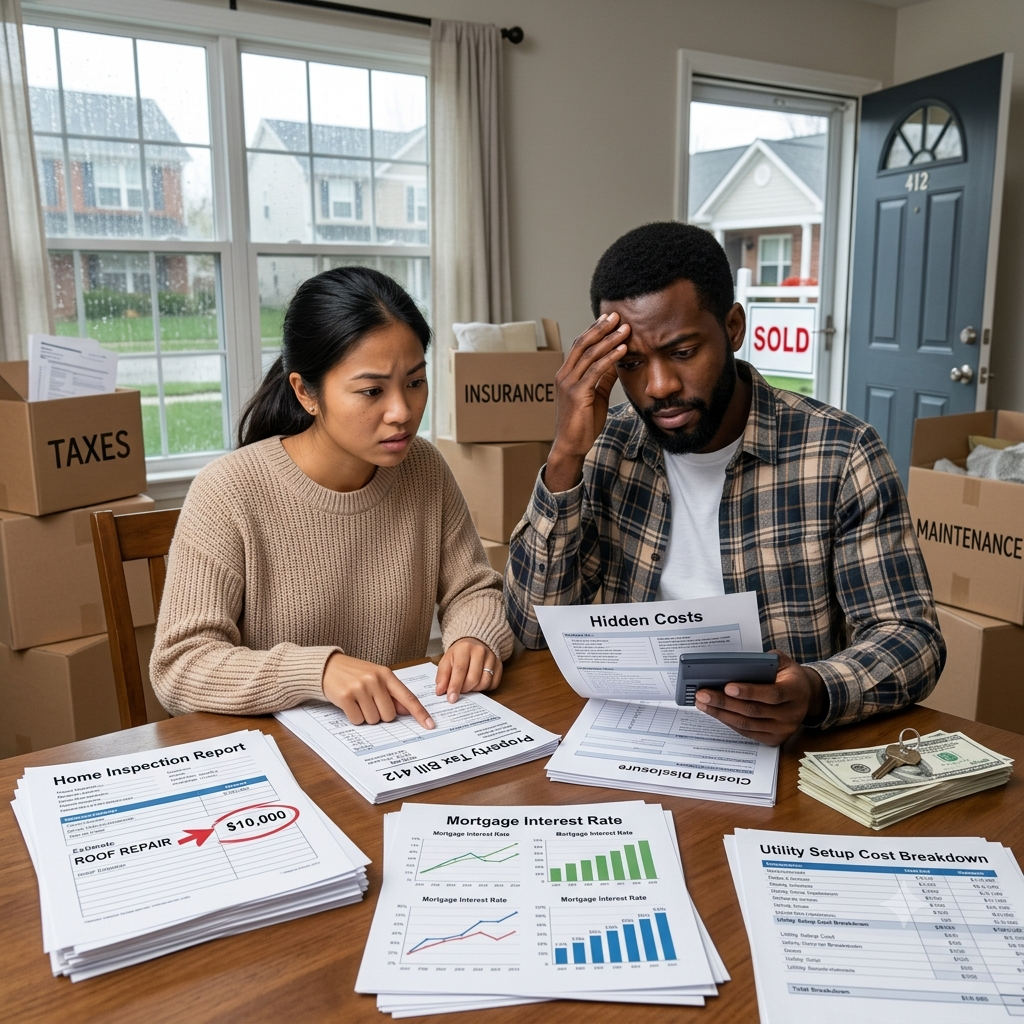
Buy Now or Wait? Housing Market Explained Simply
If you’re thinking about buying a home in 2026, you’ve probably asked the same question millions of people ask every year:
“Should I buy now or wait for prices or rates to improve?”
The honest answer is: there is no perfect timing. The housing market doesn’t move in a way that guarantees a “best moment.” Instead, it moves in cycles, and your personal situation matters more than the headlines.
This guide breaks down the decision in a simple, practical way so you can decide whether to buy now or wait based on logic—not fear or hype.
🧠 The Simple Truth Most People Miss
The housing market has two moving parts:
- Home prices
- Interest rates
Most buyers focus only on prices, but monthly affordability depends heavily on rates.
So even if prices drop slightly, higher interest rates can cancel out the savings. That’s why timing the market is so difficult.
📊 Scenario 1: If You Buy Now
Buying now in 2026 typically means:
👍 Advantages:
- You lock in a home at today’s price
- You start building equity immediately
- You avoid future price increases in your area
- You stop paying rent (if currently renting)
- You can refinance later if rates drop
👎 Disadvantages:
- Higher mortgage rates than past low-rate years
- Upfront costs (down payment + closing costs)
- Less affordability compared to earlier markets
Key idea:
You’re trading higher borrowing costs for certainty and stability.
📉 Scenario 2: If You Wait
Waiting to buy usually means hoping for:
- Lower home prices
- Lower interest rates
- Better affordability in the future
👍 Possible benefits:
- More time to save money
- Potential rate improvements (not guaranteed)
- More housing inventory in some markets
👎 Risks of waiting:
- Prices may not drop significantly
- Rates could stay the same or rise
- Rent continues increasing
- You miss out on equity growth
- Competition may return quickly if rates drop
Key idea:
You’re trading certainty today for uncertainty in the future.
🏠 The Real Problem: People Try to Time Both Prices AND Rates
Most buyers try to:
- Buy at the lowest price AND
- Buy at the lowest interest rate
But historically, this rarely happens at the same time.
Usually:
- When rates are low → prices are high
- When prices cool → rates are high
This is why waiting for a “perfect deal” often leads to endless delay.
📈 What the 2026 Housing Market Really Looks Like
In 2026, the housing market is best described as:
- No major crash
- No rapid boom
- Uneven performance by city and region
- High focus on monthly affordability
In simple terms:
👉 It’s a “selective market,” not a rising or falling one.
💰 The Most Important Question You Should Ask
Instead of asking:
“Should I buy now or wait?”
Ask this instead:
“Can I comfortably afford the monthly payment today?”
If the answer is yes, then timing becomes less important.
📊 Example: Why Waiting Doesn’t Always Help
Let’s say:
- Home price today: $400,000
- Interest rate: 6.5%
- Monthly payment: ~$2,528
Now imagine:
Scenario A: Prices drop 5%
- New price: $380,000
- But interest rates rise to 7%
- Monthly payment: still similar (or higher)
Scenario B: Prices stay flat but rates drop later
- You can refinance and lower payment later
👉 This is why many buyers choose to buy first and refinance later.
🧭 When You SHOULD Buy Now
Buying now makes sense if:
✔ You plan to stay 5+ years
Time helps you build equity and recover costs.
✔ Your finances are stable
- Good credit (ideally 680+)
- Stable income
- Manageable debt
✔ You find a home you can afford comfortably
Not “max approved,” but comfortably affordable.
✔ You are tired of rising rent
Renting long-term in high-rent markets can cost more than owning.
⏳ When You SHOULD WAIT
Waiting may make sense if:
❌ You are financially unprepared
- No emergency savings
- High credit card debt
- Unstable income
❌ You plan to move soon
Buying doesn’t make sense for short stays.
❌ You are stretching your budget
If the payment feels stressful now, it won’t get easier later.
❌ You want more time to save
A stronger down payment improves long-term affordability.
🏘️ Renting vs Buying (Simple Breakdown)
Renting is better when:
- You need flexibility
- You’re still building savings
- You’re unsure about location
Buying is better when:
- You want stability
- You’re financially ready
- You plan long-term ownership
There is no universal winner—only what fits your life stage.
📊 What Smart Buyers Do in 2026
Instead of trying to “time the market,” smart buyers:
- Focus on monthly payment comfort
- Shop multiple lenders for better rates
- Negotiate seller credits
- Buy slightly below their max budget
- Plan to refinance later if rates improve
They don’t wait for perfection—they optimize decisions.
⚖️ The Real Tradeoff: Timing vs Stability
Here’s the simplest way to understand it:
Buying now:
👉 More certainty, less timing risk
Waiting:
👉 More uncertainty, possible opportunity—but no guarantees
The “right” choice depends on which risk you can handle better.
🧾 Final Answer: Buy Now or Wait?
You should BUY NOW if:
- You can comfortably afford payments
- You plan to stay long-term
- You find a home that fits your budget
- You want stability over speculation
You should WAIT if:
- You’re not financially ready
- You’re unsure about your future location or job
- You’re trying to avoid financial stress
🧠 Final Thought
The housing market will always have people saying:
- “Wait for prices to drop”
- “Wait for rates to fall”
- “Wait for the crash”
But successful homeowners usually do something different:
👉 They buy when their life is ready—not when the market feels perfect.
Because in real estate, the best decision is rarely about timing the market…