What Is Called Fallow Land? Meaning, Types, Importance, and Uses in Agriculture
Introduction
In agriculture, land is not always cultivated continuously. Farmers often leave a portion of land unused for a certain period so that it can naturally regain its fertility. This temporarily unused agricultural land is known as fallow land.
Even though it may look idle, fallow land plays a very important role in improving soil quality, increasing future crop yield, and supporting sustainable farming practices.
In this blog, we will understand what fallow land is, why it is used, its types, benefits, and importance in modern agriculture.
What Is Called Fallow Land?
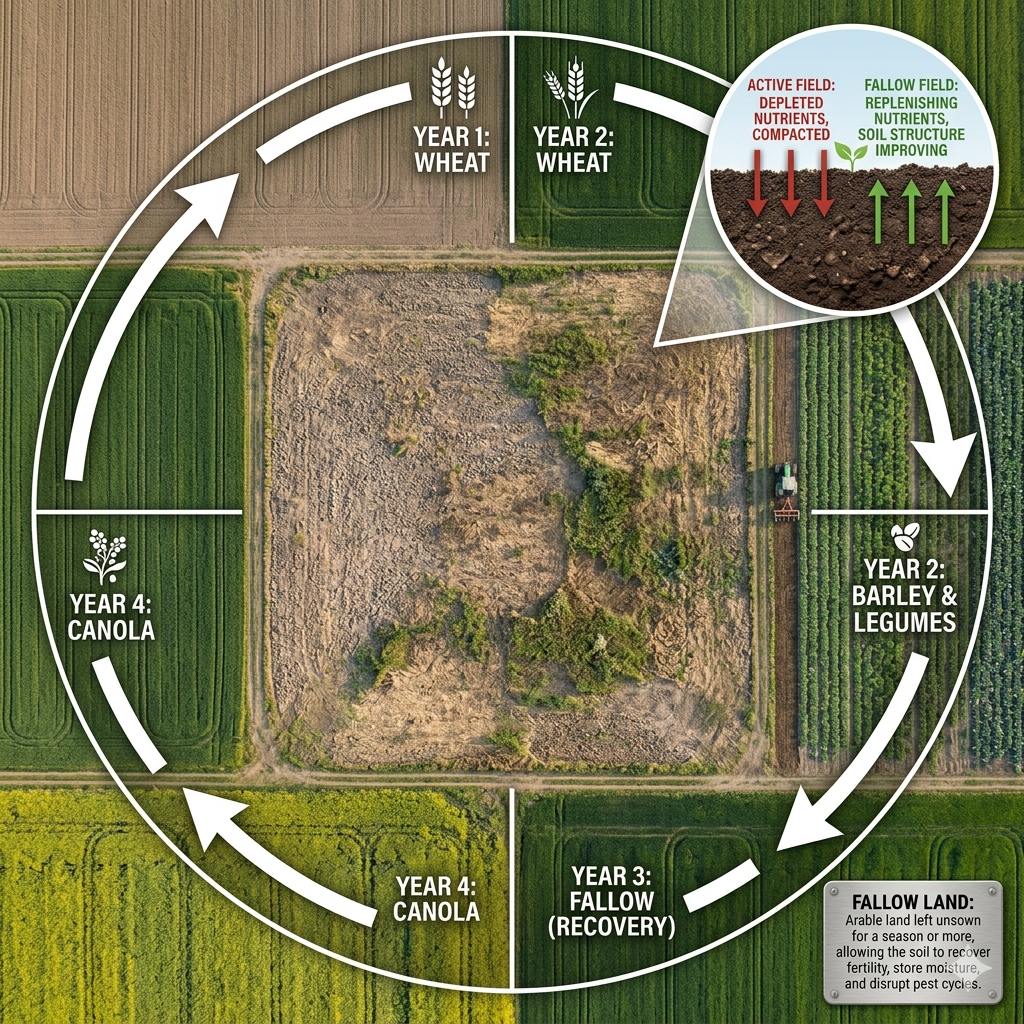
Fallow land is agricultural land that is temporarily left uncultivated so that the soil can recover its natural fertility and nutrients.
In simple words:
Fallow land is farmland that is not used for growing crops for a certain period to improve soil health.
It is a planned farming practice, not abandoned land.
Why Is Land Left Fallow?
Farmers leave land fallow for several important reasons:
1. Restoring Soil Fertility
Continuous farming removes nutrients from the soil. Fallow land helps:
- Rebuild natural nutrients
- Restore organic matter
- Improve soil microorganisms
2. Breaking Pest and Disease Cycles
Leaving land unused helps reduce:
- Soil-borne diseases
- Pest infestation
- Weed growth cycles
3. Moisture Conservation
Fallow land helps retain moisture in dry regions, improving conditions for the next crop season.
4. Improving Soil Structure
It helps soil become:
- Less compact
- More aerated
- Better in water retention
Types of Fallow Land
Fallow land can be classified into different types based on duration and purpose.
1. Current Fallow Land
Land left uncultivated for one agricultural season or less.
- Short-term resting period
- Common in crop rotation systems
2. Long-Term Fallow Land
Land left unused for more than one year.
- Used when soil is exhausted
- May recover naturally over time
3. Rotational Fallow Land
Land is divided into parts, and each part is cultivated and rested alternately.
- Ensures continuous productivity
- Maintains soil balance
4. Green Fallow Land
Instead of leaving land empty, farmers grow cover crops like:
- Legumes
- Grass
- Green manure crops
These plants are later plowed back into the soil.
Importance of Fallow Land
Fallow land is essential for sustainable agriculture.
1. Improves Soil Fertility
It allows natural restoration of nutrients without chemicals.
2. Increases Future Crop Yield
Rested soil produces:
- Healthier crops
- Higher productivity
- Better resistance to disease
3. Reduces Fertilizer Use
Fallow land reduces dependency on chemical fertilizers.
4. Controls Pests and Diseases
It helps break pest life cycles naturally.
5. Supports Biodiversity
Fallow land provides space for:
- Earthworms
- Beneficial insects
- Soil microorganisms
Difference Between Fallow Land and Barren Land
Feature | Fallow Land | Barren Land |
Usage | Temporarily unused for farming | Not suitable for farming |
Fertility | Can be restored | Very low or no fertility |
Purpose | Soil recovery | No agricultural purpose |
Productivity | Can become productive again | Usually unproductive |
Fallow Land in Traditional Farming
In traditional agriculture, farmers used fallow practices because:
- Fertilizers were not available
- Soil needed natural recovery
- Crop rotation was essential
This method helped maintain long-term soil productivity.
Fallow Land in Modern Agriculture
Modern farming has changed fallow practices:
- Chemical fertilizers reduce need for long fallow periods
- Crop rotation replaces full fallow in many areas
- Cover crops are used instead of leaving land empty
- Technology helps monitor soil health
Advantages of Fallow Land
- Naturally restores soil nutrients
- Improves long-term productivity
- Reduces pest attacks
- Supports sustainable farming
- Enhances soil moisture retention
Disadvantages of Fallow Land
- No income during fallow period
- Temporary land underuse
- Weed growth if not managed
- Requires planning in crop cycles
Importance in Sustainable Farming
Fallow land is a key part of sustainable agriculture because it:
- Maintains soil health naturally
- Reduces environmental damage
- Supports long-term food production
- Encourages eco-friendly farming systems
Frequently Asked Questions (FAQs)
What is called fallow land?
Fallow land is farmland that is temporarily left uncultivated to restore soil fertility.
Is fallow land useful?
Yes, it improves soil health and increases future crop productivity.
Why do farmers use fallow land?
Farmers use it to restore nutrients, control pests, and improve soil structure.
Conclusion
Fallow land is an important agricultural practice where farmland is left uncultivated for a period to allow natural soil recovery. Although it may seem unused, it plays a crucial role in maintaining soil fertility, increasing productivity, and supporting sustainable farming systems.
In simple terms, fallow land is a way of letting the earth rest so it can produce better crops in the future.