
What Is the Meaning of Farmland?
Introduction
Farmland is a very common term in agriculture, real estate, and rural development. It is used when talking about land that produces food and supports farming activities. Understanding the meaning of farmland helps in knowing how agriculture works and how food reaches our tables.
In this blog, we will explain the meaning of farmland, its uses, types, and importance in simple language.
Meaning of Farmland
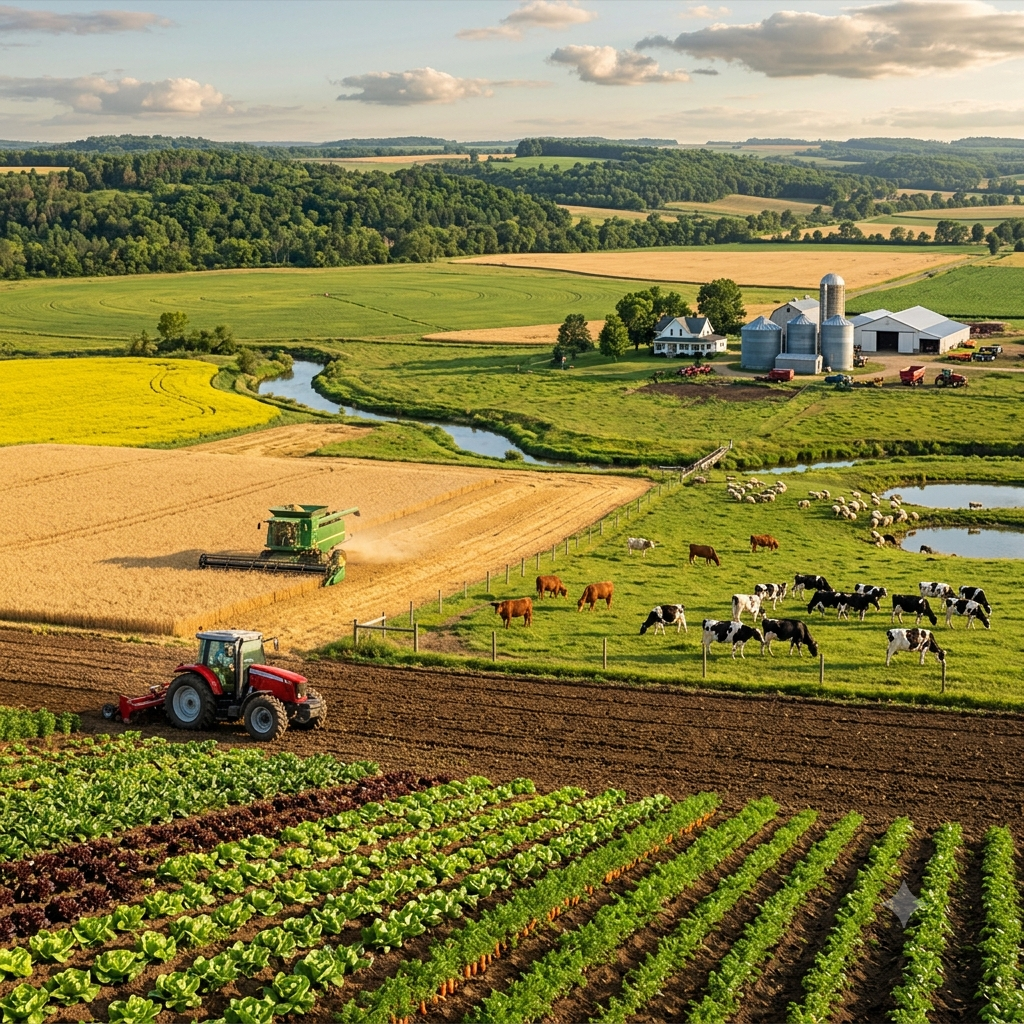
Farmland refers to land that is used for agricultural activities such as growing crops, vegetables, fruits, and raising livestock.
In simple words:
Farmland is land used for farming and food production.
It is not just empty land—it is actively or potentially used to produce agricultural goods.
What Does Farmland Include?
Farmland can include different types of agricultural areas such as:
- Crop fields (wheat, rice, maize)
- Vegetable farms
- Fruit orchards
- Plantations (tea, coffee, rubber)
- Grazing land for animals
- Irrigated agricultural fields
Types of Farmland
Farmland is not the same everywhere. It can be classified into several types:
1. Arable Farmland
Land used for growing seasonal crops like rice, wheat, and corn.
2. Permanent Cropland
Land used for long-term crops such as fruits and tea.
3. Pasture Farmland
Land used for grazing animals like cattle, sheep, and goats.
4. Plantation Farmland
Large-scale farms growing a single crop such as sugarcane, coffee, or rubber.
Difference Between Farmland and Agricultural Land
Term | Meaning |
Farmland | Land actively used or suitable for farming |
Agricultural Land | Broader term including all land used for agriculture (farmland, grazing, orchards, etc.) |
In most cases, both terms are used interchangeably.
Uses of Farmland
Farmland is used for many important purposes:
1. Food Production
Produces essential food like rice, wheat, fruits, and vegetables.
2. Livestock Farming
Used for raising animals for milk, meat, and eggs.
3. Raw Materials
Supplies crops like cotton and sugarcane for industries.
4. Economic Activity
Provides income and employment for millions of farmers.
Importance of Farmland
Farmland is extremely important because:
- It supports global food security
- It provides rural employment
- It contributes to national economies
- It supplies raw materials for industries
- It supports biodiversity in rural areas
Example of Farmland
A simple example of farmland is:
A wheat field in Punjab where farmers grow crops during the winter season.
Other examples include rice paddies, mango orchards, and sugarcane fields.
Factors That Affect Farmland Quality
The productivity of farmland depends on:
- Soil fertility
- Water availability
- Climate conditions
- Farming techniques
- Irrigation systems
Conclusion
Farmland means land used for agricultural activities such as growing crops and raising animals. It is one of the most important natural resources because it provides food, raw materials, and employment.
In simple terms, farmland is the foundation of agriculture and human survival.