what management practices are common in diary and poultry farming
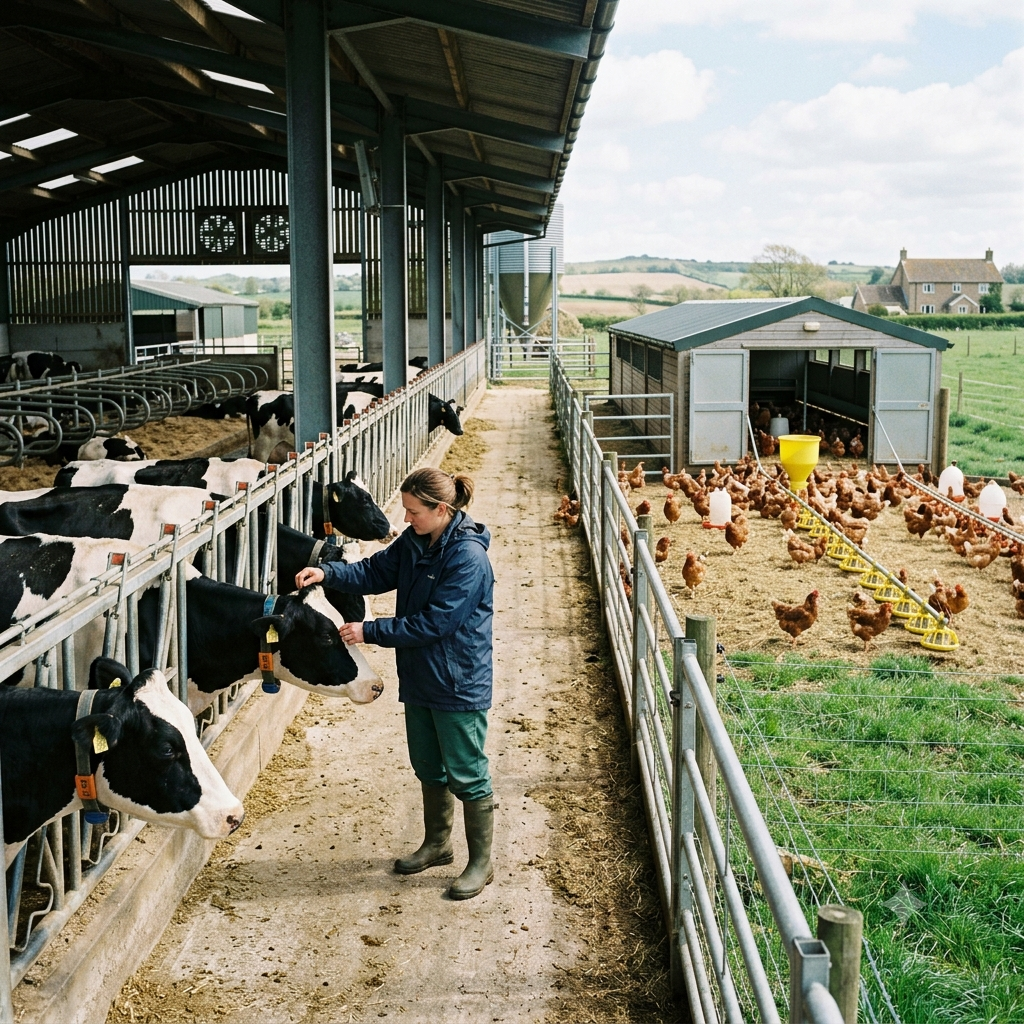
Understanding what management practices are common in diary and poultry farming is essential for anyone involved in livestock or commercial animal production. Both dairy and poultry farming depend heavily on scientific management practices to ensure high productivity, animal health, and profitability. Whether it is milk production or egg and meat production, effective farm management plays a critical role in reducing losses and improving efficiency.
In this guide, we will explore the most important management practices common in dairy and poultry farming, including feeding, housing, health care, breeding, and biosecurity systems.
What management practices are common in diary and poultry farming?
The question what management practices are common in diary and poultry farming refers to the shared scientific methods used to manage livestock and poultry animals efficiently. These practices focus on improving animal welfare, increasing production, and preventing diseases.
Both dairy and poultry farming require structured systems for:
- Feeding management
- Housing and shelter
- Disease control
- Breeding and reproduction
- Hygiene and sanitation
- Record keeping
These practices ensure maximum productivity and sustainable farming.
Feeding management in dairy and poultry farming
Feeding is one of the most important common management practices in dairy and poultry farming.
Dairy farming feeding practices
- Balanced diet with roughage and concentrates
- Proper mineral and vitamin supplementation
- Clean and fresh water supply
- Feeding according to lactation stage
Poultry farming feeding practices
- Starter, grower, and finisher feed stages
- High-protein balanced feed for egg/meat production
- Controlled feeding schedules
- Nutrient-rich feed formulation
Proper feeding ensures better growth, milk yield, and egg production.
Housing and shelter management
Housing is another major area where dairy and poultry farming share common management practices.
Dairy housing management
- Well-ventilated sheds
- Clean, dry resting areas
- Protection from heat and cold
- Proper drainage system
Poultry housing management
- Cage or deep litter systems
- Controlled temperature and lighting
- Adequate space per bird
- Proper ventilation and ammonia control
Good housing reduces stress and improves animal performance.
Health care and disease management
Disease prevention is a shared priority in both farming systems.
Common health practices
- Regular vaccination schedules
- Deworming programs
- Routine veterinary checkups
- Isolation of sick animals
Dairy-specific care
- Mastitis control
- Udder hygiene maintenance
- Tick and parasite control
Poultry-specific care
- Avian influenza prevention
- Coccidiosis control
- Biosecurity against infections
Health management ensures lower mortality and higher productivity.
Breeding and reproduction management
Breeding is a key productivity factor in dairy farming and also relevant in poultry.
Dairy breeding practices
- Artificial insemination techniques
- Heat detection management
- Genetic improvement programs
Poultry breeding practices
- Selection of high-yield breeds
- Controlled hatching systems
- Brooding management for chicks
Efficient breeding improves long-term farm profitability.
Biosecurity and hygiene practices
Biosecurity is one of the most important common management practices in dairy and poultry farming.
Key biosecurity measures
- Restricted farm entry
- Sanitization of equipment and sheds
- Foot baths and disinfectant zones
- Pest and rodent control
Maintaining hygiene reduces disease outbreaks and improves farm safety.
Record keeping and farm monitoring
Both dairy and poultry farms rely on systematic record keeping.
Important records include:
- Feed consumption records
- Milk or egg production data
- Health and vaccination records
- Financial expenses and income
Proper monitoring helps farmers make informed decisions and improve efficiency.
Waste management practices
Waste management is essential for environmental safety in both systems.
Dairy waste management
- Manure collection and composting
- Biogas production
- Proper drainage systems
Poultry waste management
- Litter disposal
- Manure recycling
- Odor control measures
Good waste management improves farm hygiene and sustainability.
Importance of common management practices
Understanding what management practices are common in dairy and poultry farming is important because it:
- Increases productivity
- Reduces disease risks
- Improves animal welfare
- Enhances farm profitability
- Supports sustainable farming systems
Efficient management is the backbone of successful livestock farming.
Common mistakes in farm management
Farmers often face challenges due to:
- Poor feeding balance
- Lack of vaccination schedules
- Improper housing conditions
- Weak biosecurity systems
- Inadequate record keeping
Avoiding these mistakes improves overall farm performance.
FAQ – what management practices are common in diary and poultry farming
What are common management practices in dairy and poultry farming?
They include feeding, housing, health care, breeding, biosecurity, and record keeping.
Why is feeding management important in both farming systems?
Because it directly affects growth, milk production, and egg yield.
What is biosecurity in farming?
It refers to measures taken to prevent disease spread in farms.
How does housing affect dairy and poultry farming?
Proper housing improves comfort, reduces stress, and increases productivity.
Is vaccination necessary in both dairy and poultry farming?
Yes, vaccination is essential to prevent disease outbreaks.
Conclusion
The answer to what management practices are common in dairy and poultry farming includes a combination of feeding, housing, health care, breeding, biosecurity, and waste management practices. These scientific methods ensure better productivity, animal welfare, and profitability. Effective farm management is essential for sustainable and successful dairy and poultry farming operations.