Why Is It Called a Farm? The Meaning, Origin, and History of the Word “Farm”
Introduction
The word “farm” is one of the most commonly used terms in agriculture, yet many people never stop to think about where it comes from or why agricultural land is called a farm in the first place.
We hear terms like farm, farmland, farming, and farmhouses every day—but what does “farm” actually mean, and why is it used to describe agricultural activity?
This blog explains the origin of the word “farm,” its historical development, and why agricultural land came to be called a farm in modern language.
What Is a Farm?
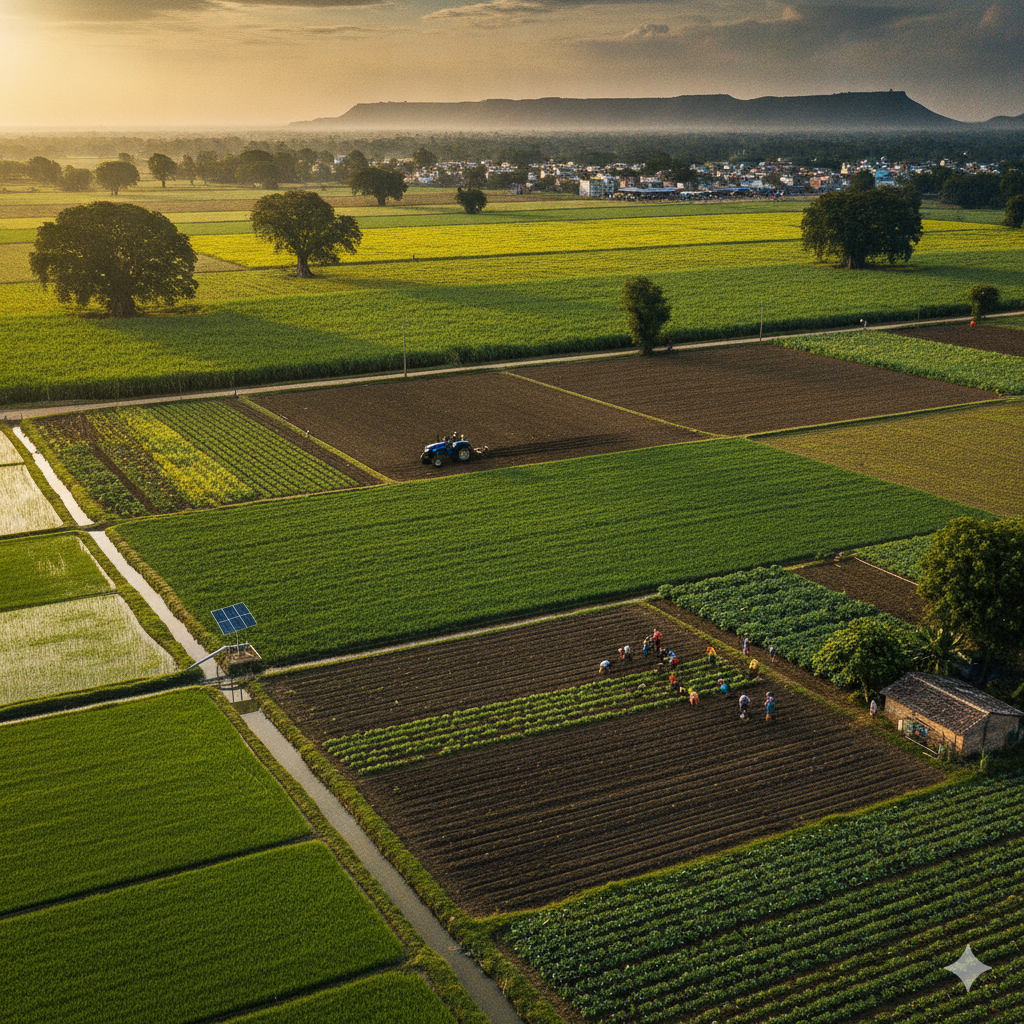
A farm is a piece of land used for growing crops, raising animals, or producing food and agricultural goods.
A farm may include:
- Crop fields (wheat, rice, maize, vegetables)
- Livestock (cows, goats, sheep, poultry)
- Farmhouses and storage buildings
- Irrigation systems and machinery
In simple terms, a farm is a managed piece of land for food production.
Origin of the Word “Farm”
The word farm comes from the Old English and Latin language roots.
Historical Origin:
- The word “farm” comes from the Old French word “ferme”
- “Ferme” originally meant a fixed payment or lease
- It comes from the Latin word “firma”, meaning agreement or contract
So originally, the word “farm” had nothing to do with land or agriculture.
How Did “Farm” Become Related to Agriculture?
In medieval Europe, land was often not owned permanently by farmers. Instead:
- Landowners gave land to workers
- Farmers paid rent or taxes to use the land
- This arrangement was called a “farm” (lease agreement)
Over time, the meaning shifted:
- “Farm” = land leased for agricultural use
- “Farmer” = person who works the land
- “Farming” = process of working on agricultural land
Eventually, the word became directly associated with agriculture.
Evolution of the Word “Farm”
1. Early Meaning (Middle Ages)
- A financial agreement or lease
- Not directly related to agriculture
2. Transition Phase
- Land leased for cultivation began being called a “farm”
- Farmers became known as people working leased agricultural land
3. Modern Meaning
- A farm now means any agricultural land used for production
- Ownership or lease is no longer the focus
Why Agricultural Land Is Called a Farm Today
Today, agricultural land is called a farm because:
1. It Produces Food
Farms are primarily used to grow crops and raise livestock.
2. It Is Actively Managed
A farm is not just land—it is actively maintained and cultivated.
3. It Has Farming Operations
Modern farms include:
- Irrigation systems
- Machinery
- Crop planning
- Harvesting systems
4. It Represents Agricultural Activity
The word “farm” now represents the entire system of food production.
What Makes Something a Farm?
Not all land is considered a farm. For land to be called a farm, it generally must have:
- Active cultivation or livestock activity
- Agricultural purpose
- Management and maintenance
- Production of food or raw materials
Unused or barren land is not considered a farm.
Types of Farms
Farms can vary based on what they produce:
1. Crop Farms
- Wheat farms
- Rice farms
- Vegetable farms
2. Livestock Farms
- Dairy farms
- Poultry farms
- Goat and sheep farms
3. Plantation Farms
- Tea plantations
- Coffee farms
- Rubber farms
4. Mixed Farms
- Combination of crops and livestock
Difference Between Farm and Farmland
Although often used interchangeably, there is a slight difference:
- Farmland = land used for agriculture
- Farm = farmland + operations + management system
A farm is more than land—it includes activity and production.
Why the Word “Farm” Is Still Used Today
Even in modern agriculture, the word “farm” remains popular because:
- It is simple and widely understood
- It represents agricultural lifestyle
- It applies to both small and large-scale agriculture
- It is used globally across different languages
Modern Meaning of Farming
Today, farming means:
- Growing crops
- Raising animals
- Using technology in agriculture
- Managing natural resources for food production
Modern farms may even include:
- AI-based monitoring systems
- Automated irrigation
- Drone farming technology
Fun Fact About Farms
In many countries, the size of farms has changed dramatically:
- Small family farms still exist in most parts of the world
- Large commercial farms dominate industrial agriculture
- Some farms span thousands of acres in countries like the USA and Brazil
Importance of Farms in Society
Farms are essential because they:
- Produce food for the global population
- Support rural economies
- Provide raw materials for industries
- Maintain ecological balance
Without farms, modern civilization could not function.
Conclusion
The word “farm” has an interesting history. It originally referred to a financial lease agreement in medieval Europe, not agriculture. Over time, as land was increasingly used for cultivation, the meaning shifted to represent agricultural land and food production systems.
Today, a farm is understood as a place where crops are grown and animals are raised for food. It represents not just land, but an entire system of agricultural activity.
So, it is called a farm because historically it was linked to land agreements—and over time, it became the universal word for agricultural production.